
Global apparel trade regulations have shifted significantly throughout 2026, directly affecting landed costs, customs clearance timelines, and sourcing strategies for international fashion labels. Whether you are importing bulk woven collections into the United States, shipping small-batch drops to Europe, or utilizing Regional Comprehensive Economic Partnership (RCEP) preferences across Asia-Pacific, understanding China’s export framework and destination-country tariff updates is essential before placing your next production order.
Below is a practical breakdown of the key 2026 trade policies impacting garments manufactured in China—and how experienced factories help brands stay compliant and cost-competitive.
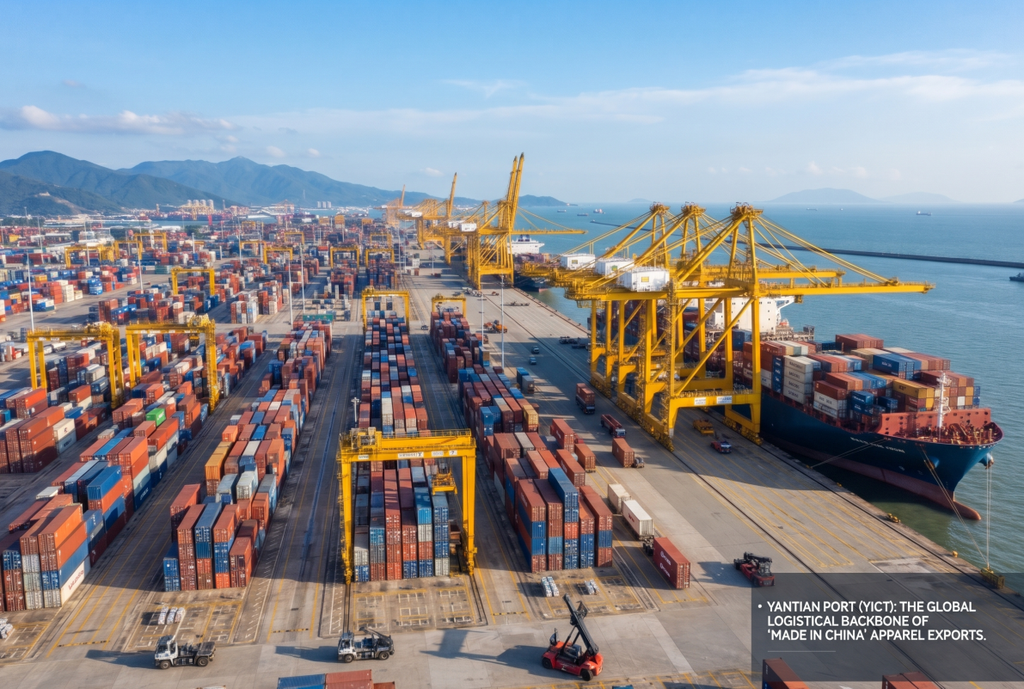
1. United States: Tariff Adjustments, Fiber Labeling & Supply Chain Traceability
For US-based apparel brands sourcing from China, customs compliance in 2026 requires far more precision than simply declaring a generic garment description on a commercial invoice:
- Tariff Stacking & HTS Classification: US import duties depend on the exact 10-digit HTSUS code, fiber composition (cotton vs. man-made fiber), and garment construction (woven vs. knit). Following recent USTR Section 301 reviews and reciprocal tariff schedule adjustments, brands must verify exact duty rates at the time of booking—especially when requesting DDP (Delivered Duty Paid) quotes.
- Strict FTC Fiber Content Disclosure: US Customs and Border Protection (CBP) enforces strict alignment between physical garment care labels, commercial invoices, and packing lists. Blended fabrics cannot be declared vaguely as “cotton” or “polyester”; exact fiber percentages by weight must be documented prior to shipment.
- Upstream Fabric Documentation: Compliance audits increasingly extend beyond the cut-and-sew floor to yarn and fabric mills. Working with factories that maintain clear fabric batch records and supplier invoices prevents costly port holds.
2. European Union: End of Low-Value Parcel Exemptions & Ecodesign Standards
In Europe, China’s apparel export share has remained resilient—accounting for over 31% of EU garment imports—largely due to fast-turnaround woven and outerwear capabilities. However, two major regulatory shifts affect how brands ship into the EU in 2026:
- Removal of Cross-Border Small-Parcel Duty Exemptions: With the EU eliminating duty-free thresholds for low-value e-commerce parcels, direct-to-consumer micro-shipments face tighter customs scrutiny and VAT/duty collection at the border. Consolidating inventory into 50-to-300-piece B2B air or sea shipments is now markedly more economical per unit than piecemeal parcel dropshipping.
- Chemical & Labeling Compliance (REACH): Garments entering the EU market must adhere to REACH restrictions on azo dyes and heavy metals, alongside mandatory multilingual fiber composition labeling.
3. RCEP & Bilateral FTA Duty Reductions: Zero-Tariff Opportunities Outside the US/EU
While North American and European routes require careful tariff planning, China’s bilateral Free Trade Agreements (FTAs) and the RCEP framework continue to lower import duties for buyers in ASEAN, Japan, South Korea, Australia, New Zealand, and select Latin American and Middle Eastern markets:
- Certificate of Origin (CO / Form E / RCEP CO): When an export-licensed Chinese apparel factory issues an official Certificate of Origin under RCEP or bilateral FTAs, qualifying buyers in partner countries can reduce or completely eliminate import tariffs at destination customs.
- Fabric Accumulation Rules: Under RCEP rules of origin, garments cut and sewn in China using regional yarns or fabrics qualify smoothly for preferential tariff treatment, making China’s massive domestic textile supply chain an even stronger cost advantage for Asia-Pacific labels.
4. How Small-Batch Brands Adapt Without Overpaying on Duties
Policy changes hit rigid, high-MOQ supply chains the hardest—when a brand is locked into 3,000 units of a single style, a sudden tariff shift or customs delay ties up massive capital. Emerging labels are mitigating 2026 trade risks through three practical steps:
- Test Demand with 50-Piece Production Runs: Ordering smaller, agile runs allows brands to validate retail pricing and absorb duty fluctuations without sitting on unsold warehouse stock.
- Use Ready-to-Ship Stock Fabrics: Sourcing verified in-stock woven rolls eliminates 30-day mill lead times and simplifies upstream origin documentation.
- Partner with Export-Experienced Studios: For emerging labels needing direct factory support, Guangzhou-based small-batch specialist Liru Fashion offers 50-piece MOQs on woven dresses, blouses, and tailored separates, rapid $39+ proto sampling in 5–7 days, and transparent FOB or DDP shipping documentation—paired with ready-to-browse fabric swatch libraries via Woven Fabric Sourcing.